Cart is empty


 Minoan Art
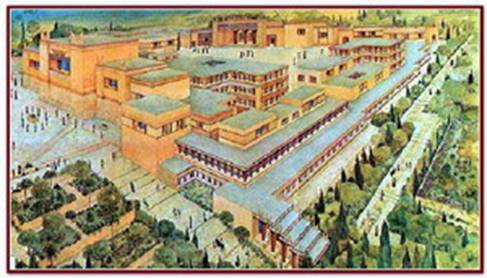
Minoan culture is the prehistoric culture of Crete, the distinctive prehistoric civilization that developed in continental Ancient Greece (Helladic culture) and the islands of the Aegean (Cycladic civilization). The Minoan name comes from the mythical King Minos was given by Sir Arthur Evans, the archaeologist who excavated the palace of Knossos. The analysis of Evans for the Minoan civilization ended in 1935, and laid the foundation for the study of processes and transformations that led to the development, consolidation and decline of the Minoans.
Pre period 7000-2000 BC
Palatial period 2000-1470 BC
Metaanaktiriki period 1470-1000 BC
The Art of the Early Minoan period (3000-2000 BC), occurs mainly seals, had a mere decorative nature.
In the Middle Minoan period Minoan art (visual art) attributed the human forms of the animal and plant kingdom.
In the Palatial period, skilled craftsmen working in the royal workshops were in special apartments of the palace.
Archaeological finds from these sites confirm the existence of workshops for ceramics, stone carving, metalwork, small sculpture.
The art is attributed to small areas on seals, large surfaces of painted decoration, inspired mainly by social, political and religious life of the Minoans.
The Minoan art draws its subjects from the nature, the sea, rituals, games with bulls (bull fighting).

|

|

|
|
|
|
|
|
|
||
|
|

New items
Categories
We accept